There are a number of ways building owners are cutting back on the costs of energy. The growing innovations in our nation have played a quintessential factor in how we handle the use of our energy.
There is one leading technology that assists in the gathering of information as well as a plethora of other features. This technology is called a flow meter. Flow meters have a variety of capabilities and there are numerous benefits if a manufacturer decides to utilize flow meter technology. Read More…
Sierra manufacturers high performance mass flow meters and controllers for nearly any gas, liquid or steam. Customers choose Sierra when they need an accurate and repeatable flow measurement, short delivery lead times, expert flow advice and long term support. When it matters, choose Sierra. Visit www.sierrainstruments.com.
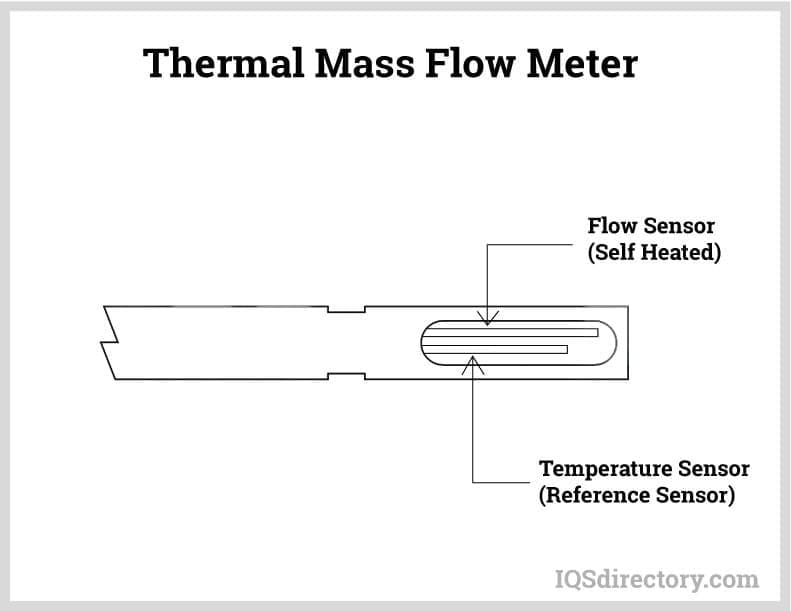
Aalborg Instruments & Controls is a globally recognized manufacturer of precision instrumentation for flow measurement and control. We offer variable area flow meters, thermal mass flow controllers, and more. Since our founding in 1972, it has been our commitment to develop, produce and deliver the highest quality products and services, as well as consistently meet or exceed customer...
Ryan Herco Flow Solutions is a leading national distributor for fluid handling products. Our family of products include; Flowmeters, sensors, instrumentation tubing and hose, process pipe and fittings, valves, pumps, filters and filter systems, storage and drums, and corrosion resistant structural products. We have 29 U.S. Service Centers ready to serve you.

Our flow meters are meticulously designed with you in mind. Our products have an unrivaled reputation, because we spend hundreds of engineering hours working on new and better ways to improve our products. No matter what you need, we can get if for you! Our staff is dedicated to helping you every step of the way. Contact us today for more info!
We are ONICON Incorporated, a leading manufacturer of flow meters and energy measurement systems. Our products and solutions are used in a wide range of applications, including HVAC, building automation, and industrial processes.




More Water Flow Meter Manufacturers

 Water Flow Meters - Sierra Instruments Inc.
Water Flow Meters: Precision Measurement for Industrial and Commercial Applications
Modern water flow meters are essential technologies for measuring, monitoring, and optimizing the flow of liquids and gases across a wide spectrum of industries. With increasing emphasis on energy efficiency, resource management, and cost reduction, investing in the right flow measurement solutions can deliver substantial operational benefits. Designed for accuracy and reliability, advanced flow meters empower facilities to gain visibility into energy consumption, process performance, and equipment health—driving smarter decisions and sustainable business outcomes.
Are you searching for the best water flow meter for your application? Wondering how flow meters can help lower costs, improve process control, or support regulatory compliance? This in-depth guide explores leading flow meter technologies, selection criteria, and industry use cases to help you make informed purchasing decisions.
What Is a Flow Meter? Understanding the Basics
A flow meter—also known as a flow sensor—is an instrument that measures the rate and volume of fluid movement through a pipe or conduit. By providing real-time and historical flow data, flow meters enable organizations to:
- Monitor water, gas, and other fluid consumption
- Detect leaks and inefficiencies in distribution systems
- Control and automate process operations
- Track and allocate utility costs by department, application, or tenant
- Support compliance with industry and environmental regulations
- Schedule predictive maintenance and reduce equipment downtime
Flow meters are indispensable in industries such as water treatment, HVAC, petrochemicals, manufacturing, food and beverage, pharmaceuticals, energy production, and more. Their versatility and accuracy make them a critical component for any operation seeking to optimize fluid management and operational efficiency.
Key Benefits of Water Flow Meters for Facilities and Operations
Implementing water flow meters delivers a host of tangible benefits:
- Cost Savings: Accurately measure water and energy usage to identify waste, optimize system performance, and reduce utility expenses.
- Process Optimization: Gain actionable insights into flow rates and consumption patterns, enabling fine-tuned process control and improved product quality.
- Preventative Maintenance: Use flow data to detect abnormal conditions or system leaks, supporting predictive maintenance and extending equipment lifespan.
- Regulatory Compliance: Meet stringent environmental standards for resource management and reporting with precise, auditable flow measurements.
- Data-Driven Decisions: Leverage historical and real-time flow analytics for trend analysis, capacity planning, and continuous improvement initiatives.
- Remote Monitoring and Automation: Integrate flow meters with building management systems (BMS), SCADA, or IoT platforms for centralized monitoring and automated control.
Are you evaluating flow meter solutions for water, steam, or gas? Want to understand which technology is best for your unique application? Let’s explore the major types of flow meters used in industrial, commercial, and municipal environments.
Main Types of Flow Meters for Liquid and Gas Measurement
Flow meters for liquids and gases typically fall into four primary categories, each leveraging a different measurement principle and suited for specific applications:
1. Differential Pressure (DP) Flow Meters
Differential pressure flow meters are among the most widely used flow measurement devices due to their versatility, ruggedness, and cost-effectiveness. By measuring the pressure drop across an obstruction (such as an orifice plate, venturi tube, or flow nozzle), DP meters can calculate volumetric or mass flow rates with high accuracy.
- Common Industries: Petroleum, chemical processing, mineral extraction, water treatment, HVAC, and power generation.
- Key Advantages: Proven technology, broad application range, suitable for both liquids and gases, and compatible with high-pressure systems.
- Decision Factors: Requires straight pipe runs, periodic calibration, and may introduce pressure loss.
Want to compare differential pressure flow meters with other technologies? See our technology comparison guide below.
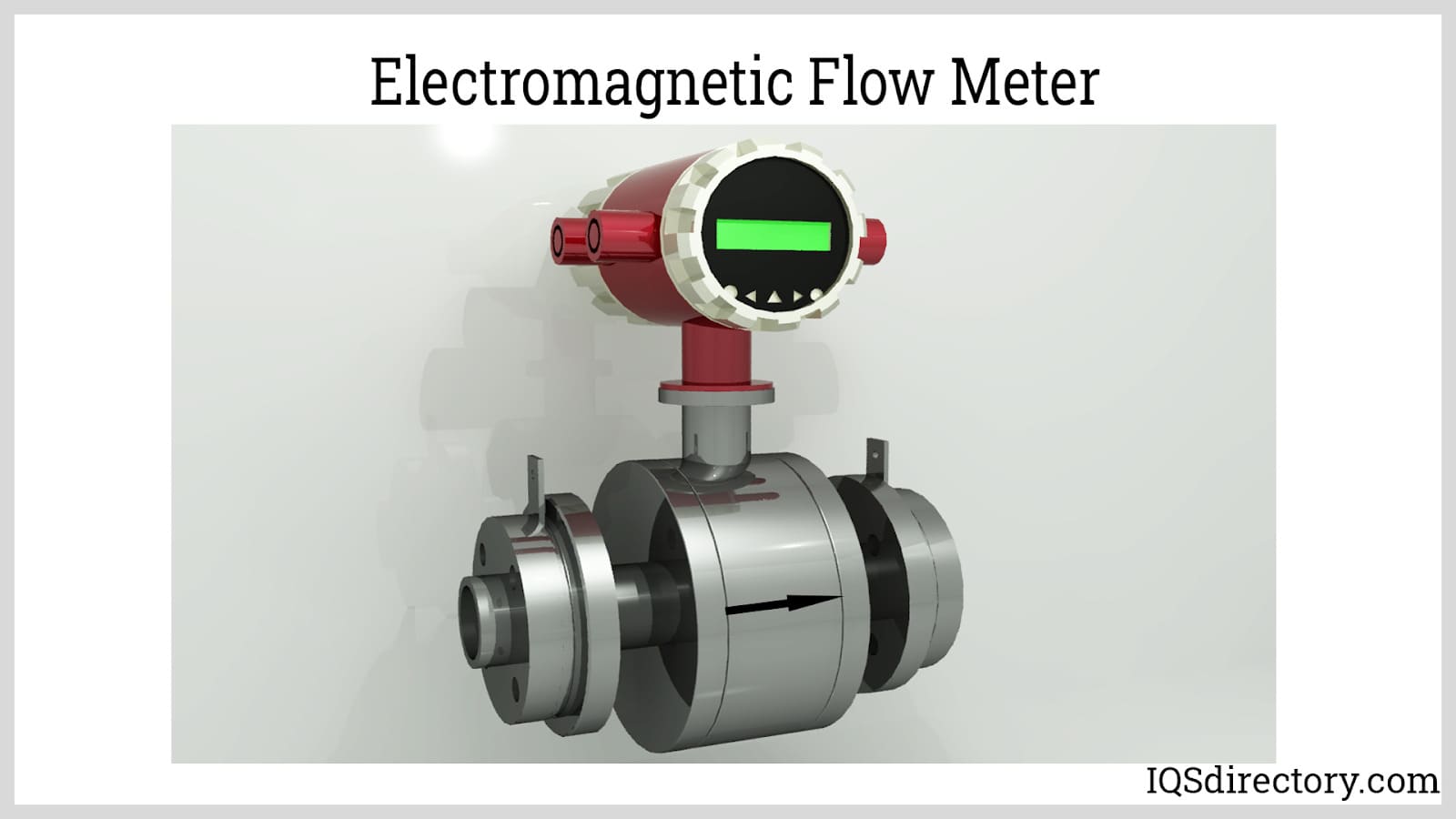
2. Electromagnetic (Mag) Flow Meters
Electromagnetic flow meters—often called “mag meters”—are ideal for measuring the flow of conductive liquids. Mag meters use Faraday’s Law to detect flow velocity by generating a magnetic field and measuring the resulting voltage as fluid passes through.
- Best For: Water, wastewater, slurries, corrosive fluids, and chemical solutions.
- Advantages: No moving parts, minimal maintenance, highly accurate for clean or dirty liquids, unaffected by temperature or pressure changes.
- Limitations: Not suitable for non-conductive fluids (e.g., oils, gases, distilled water).
Looking for precise and low-maintenance water flow measurement? Electromagnetic flow meters offer robust performance in municipal and industrial settings.
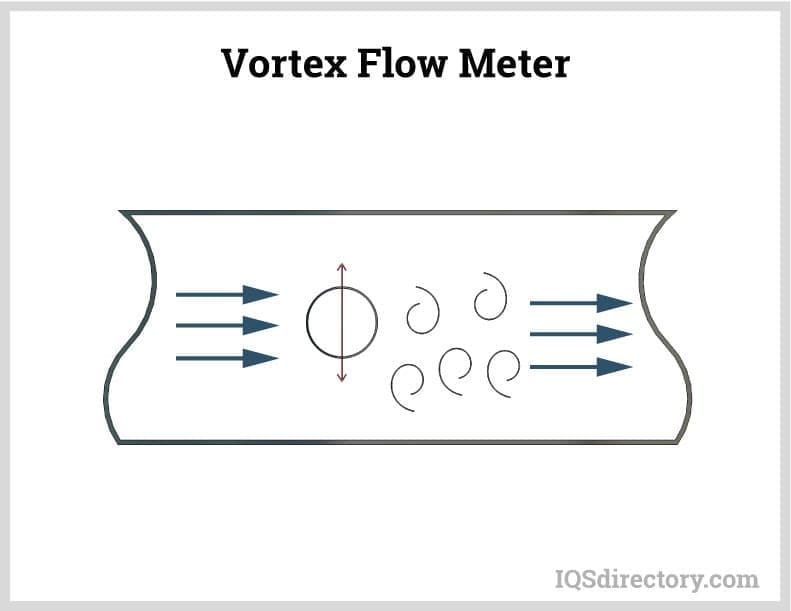
3. Vortex Flow Meters
Vortex flow meters detect the vortices shed by a bluff body placed in the flow stream. The frequency of these vortices is proportional to the flow velocity, allowing for accurate measurement of both liquids and gases.
- Common Applications: Steam, compressed air, natural gas, and industrial liquids.
- Benefits: No moving parts, low maintenance, suitable for high-pressure and high-temperature environments, and can handle a wide range of flow rates.
- Considerations: May be affected by vibration or pulsating flows; not ideal for low-velocity or highly viscous fluids.
Curious about how a vortex flow meter can optimize your steam or gas flow measurement? Explore our detailed guide for specifications and selection tips.
4. Ultrasonic Flow Meters (Clamp-On and In-Line)
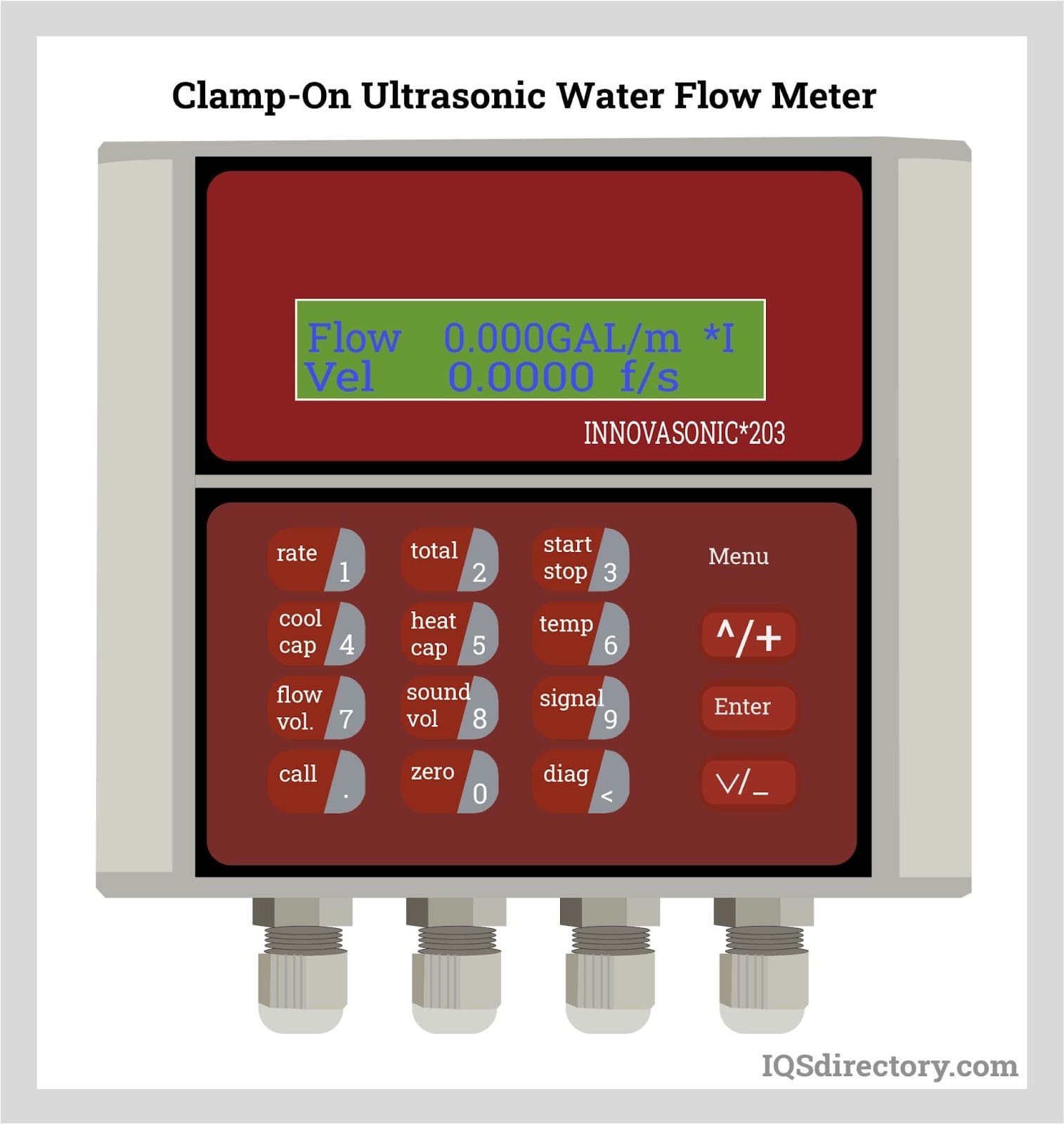
Ultrasonic flow meters utilize high-frequency sound waves to measure the velocity of fluid flow. There are two primary types: clamp-on ultrasonic meters (which attach externally to existing pipes for non-intrusive measurements) and in-line ultrasonic meters (which are installed directly into the pipeline).
- Key Applications: Municipal water distribution, HVAC systems, industrial process monitoring, and energy audits.
- Advantages: Non-invasive installation, zero pressure drop, highly accurate for clean or dirty fluids, works with a wide range of pipe materials and sizes.
- Decision Factors: Performance can be affected by air bubbles or suspended solids; select the right model for fluid type and installation requirements.
Need a flow meter that’s easy to retrofit and doesn’t interrupt your process? Clamp-on ultrasonic flow meters provide a powerful solution for temporary or permanent monitoring.

 Water Flow Meters - Sierra Instruments Inc.
How to Choose the Right Flow Meter: Key Selection Criteria
Selecting the optimal flow meter involves careful consideration of the application’s requirements, fluid characteristics, and installation environment. Here are the most important decision factors to guide your evaluation:
- Fluid Type: Is the medium a liquid or gas? Is it clean, dirty, viscous, or abrasive? Conductive or non-conductive?
- Measurement Accuracy: What level of accuracy and repeatability is required for your process or regulatory needs?
- Flow Range: What are the minimum and maximum expected flow rates?
- Pipe Size & Material: What are the dimensions and construction materials of your piping system?
- Process Conditions: Consider pressure, temperature, and presence of particulates, bubbles, or chemicals.
- Installation Constraints: Is there space for in-line installation, or is non-intrusive (clamp-on) measurement preferred?
- Maintenance Requirements: How much downtime can your system tolerate for calibration, repair, or cleaning?
- Integration & Communication: Do you need analog, digital, or wireless output? Compatibility with SCADA, PLC, or IoT platforms?
- Budget: What are the upfront and lifecycle costs for purchase, installation, and ongoing maintenance?
Still unsure which flow meter fits your project? Ask yourself:
- What’s the primary goal—energy management, billing, leak detection, or process control?
- Do I need a portable or permanent flow measurement device?
- What are the local regulations or industry standards that affect my flow measurement requirements?
- Will the meter need to handle multiple fluids, variable flow rates, or harsh environments?
Industry-Specific Applications for Water Flow Meters
Flow meters are utilized in a diverse range of industries to improve efficiency, safety, and sustainability. Here are some of the most common use cases:
Building and Facility Management
- Energy Sub-Metering: Track energy and water use by floor, tenant, or zone to promote conservation and support green building certifications (e.g., LEED).
- Leak Detection: Identify plumbing issues or system inefficiencies before they become costly problems.
- HVAC Optimization: Monitor chilled or hot water flow for improved comfort and reduced operating costs.
Municipal Water and Wastewater Utilities
- Distribution Network Monitoring: Detect leaks, track consumption, and ensure fair billing for residential and commercial customers.
- Wastewater Treatment: Manage influent and effluent flows for process control and regulatory reporting.
Industrial Manufacturing and Processing
- Batch Process Control: Ensure consistent product quality by monitoring raw material and ingredient flows.
- Boiler and Steam System Monitoring: Measure steam and condensate flows for efficiency and safety.
- Cooling and Circulation Systems: Optimize water usage and minimize environmental impact.
Energy and Power Generation
- Fuel Consumption Monitoring: Track exact fuel usage in turbines, engines, or burners to support cost allocation and emissions reduction.
- Thermal Energy Measurement: Calculate heat transfer in district heating/cooling and cogeneration systems.
Food, Beverage, and Pharma
- Sanitary Flow Measurement: Ensure compliance with hygiene standards using flow meters designed for clean-in-place (CIP) operations.
- Ingredient Dosing: Guarantee precise blending and ingredient addition for recipe consistency.
Have a specific industry or application in mind? Contact our flow measurement experts for personalized recommendations.
Frequently Asked Questions: Selecting and Using Flow Meters
- What is the most accurate type of water flow meter?
Ultrasonic and electromagnetic flow meters typically provide the highest accuracy for liquid measurement, with some models achieving ±0.5% of reading. However, the right choice depends on your specific process conditions. - How do I size a flow meter for my application?
Proper sizing involves matching the meter’s flow range to your expected minimum and maximum flow rates, as well as considering pipe diameter and installation layout. Oversizing or undersizing can lead to poor accuracy or meter damage. - Can I install a flow meter without shutting down my system?
Clamp-on ultrasonic flow meters allow for non-intrusive installation without interrupting flow or cutting pipes, making them ideal for retrofits or temporary measurements. - How often do flow meters require maintenance?
Maintenance frequency depends on the meter type, fluid quality, and application. Electromagnetic and ultrasonic flow meters have minimal moving parts and require less frequent service than mechanical meters. - What digital outputs or protocols are available?
Many modern flow meters support analog (4-20mA), pulse, Modbus, HART, BACnet, or wireless communication options for seamless integration with control systems.
Best Practices for Installing and Maintaining Water Flow Meters
To maximize the performance and longevity of your flow measurement system:
- Follow manufacturer guidelines for installation orientation, grounding, and straight pipe requirements.
- Ensure proper calibration before commissioning and at scheduled intervals for traceable accuracy.
- Monitor for signs of wear or fouling, especially in harsh process environments.
- Leverage remote diagnostics and data logging to quickly identify and troubleshoot issues.
- Train personnel on flow meter operation, maintenance, and data interpretation for maximum ROI.
Need help with flow meter installation or calibration? Connect with our technical support team for expert assistance and on-site services.
Why Choose Sierra Instruments Water Flow Meters?
Sierra Instruments Inc. is a leading manufacturer of high-performance flow meters for water, steam, and gas measurement. Our robust product portfolio includes differential, electromagnetic, vortex, and ultrasonic flow meters, engineered for accuracy, durability, and ease of integration. Trusted by industry leaders worldwide, Sierra Instruments delivers:
- Advanced measurement technology for a wide range of fluids and process conditions
- Customizable configurations to fit any application or installation constraint
- Comprehensive technical support and application engineering
- Industry certifications and compliance with global standards
- Competitive pricing and fast delivery
Ready to take control of your facility’s water and energy usage? Request a quote or schedule a demo to see how Sierra Instruments can help you achieve your operational goals with our state-of-the-art water flow meters.
Still have questions or need expert advice? Contact Sierra Instruments for tailored flow measurement solutions that maximize efficiency, accuracy, and cost savings for your operation.
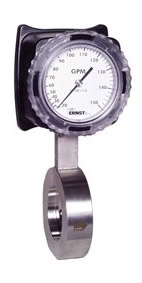
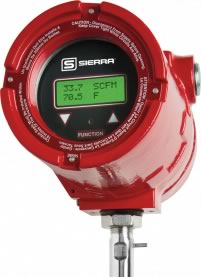 Flow Gauges
 Flow Indicators
 Flow Meters
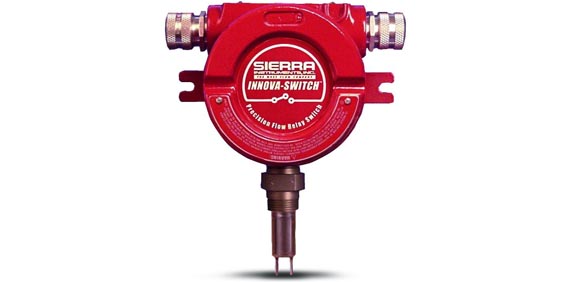
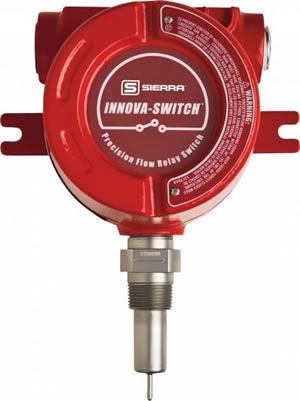 Flow Switches
 Castings & Forgings
 Bulk Material Handling
 Electrical & Electronic Components
 Flow Instrumentation
 Hardware
 Material Handling Equipment
 Metal Cutting Services
 Metal Forming Services
 Metal Suppliers
 Motion Control Products
 Plant & Facility Equipment
 Plant & Facility Supplies
 Plastic Molding Processes
 Pumps & Valves
 Recycling Equipment
 Rubber Products & Services