More Flow Meter Manufacturers

Flow Meter – John C. Ernst Co., Inc.
Flow meters are vital instruments used across virtually all major industries to measure, monitor, and control the flow rate of liquids and gases. Their ability to provide precise flow measurement is crucial for optimizing industrial processes, maintaining product quality, ensuring safety, and achieving regulatory compliance. Common industries that rely on flow meters include automotive manufacturing for fuel and coolant monitoring, petroleum and oil & gas for custody transfer, process optimization, and leak detection, HVAC for air and water flow regulation, food and beverage processing for batching and ingredient mixing, utilities for water and gas distribution, chemical production for dosing and blending, pharmaceuticals for sanitary flow measurement, and environmental monitoring for effluent and emissions control.
Choosing the right flow meter is critical for applications such as:
- Water flow monitoring in municipal and industrial systems
- Fuel flow measurement in automotive, aerospace, and marine industries
- Natural gas flow metering for utilities and commercial distribution
- Steam flow measurement in power plants and heating systems
- Sanitary flow meters for food, beverage, and pharmaceutical production
- Corrosive chemical flow monitoring in chemical plants
- Compressed air flow meters in manufacturing and automation
Are you looking for a flow meter solution tailored to your industry? Contact a flow meter specialist to discuss your specific process requirements and compliance needs.
The History of Flow Meters
The evolution of flow meters is rooted in centuries of scientific advancement. The earliest known flow meter—a turbine flow meter—was built in 1790 by Woltmann, enabling calculation of energy loss in open canals. However, widespread adoption of flow measurement technology did not occur until the 20th century. In the 1800s, Michael Faraday attempted to measure the flow of the Thames River with a primitive electromagnetic flow meter, laying the groundwork for what would become a staple of modern flow measurement. This technology entered the mass market in 1952, revolutionizing liquid flow measurement, especially for conductive fluids.
In 1835, Gustave Coriolis derived the principle underlying the Coriolis flow meter, but it took until 1977 for commercial versions to emerge, enabling direct mass flow measurement for liquids and gases. The advent of ultrasonic flow meters in 1963 added non-invasive, high-precision options for flow monitoring, especially in water and wastewater treatment, oil & gas pipelines, and chemical processing. Today, flow meters incorporate advanced digital electronics, wireless connectivity, data logging, and remote monitoring capabilities, making them integral to modern industrial automation and process control.
Design
Production Process
Flow meter manufacturing involves precision engineering and integration of key components to ensure reliable and accurate flow measurement. The core components are the transducer (which senses fluid movement) and the transmitter (which converts sensor signals into readable data). These elements are housed either inside or outside pipes, ducts, or open channels, depending on the meter type and installation requirements. Some designs incorporate real-time output systems for continuous monitoring and process control, such as 4-20mA analog outputs, digital displays, or advanced IoT-enabled communication modules.
Materials
Material selection is crucial for flow meter performance and longevity. Flow meters are constructed from robust materials tailored to withstand the measured fluid’s properties and the environmental conditions. Common materials include:
- PVC (polyvinyl chloride): Excellent for water, non-corrosive liquids, and cost-sensitive applications
- Nylon: Used in lightweight and chemical-resistant designs
- Brass: Suitable for potable water and non-aggressive media
- Stainless steel: Offers high durability, corrosion resistance, and sanitary capabilities for food, beverage, and pharmaceutical use
- Aluminum: Lightweight and corrosion-resistant, ideal for air or gas flow meters
- PVDF (polyvinylidene fluoride): Preferred for highly corrosive fluids in chemical processing
Are you unsure which flow meter material is best for your application? Request material compatibility guidance from a manufacturer or industry expert.
Design Considerations and Customization
Selecting or designing a flow meter involves assessing application-specific requirements, including:
- Fluid type: Liquid, gas, steam, or multiphase mixtures
- Flow rate range: Minimum and maximum expected rates
- Pipe or channel size: Ensuring meter compatibility with system dimensions
- Process conditions: Pressure, temperature, and chemical compatibility
- Cleanliness and sanitary standards: Especially for food, beverage, and medical applications
- Accuracy and repeatability: Required precision for process control, billing, or regulatory compliance
Many manufacturers offer customized flow meters with special wetted materials, custom outputs, or integration with automation and data acquisition systems. Discuss your unique process requirements to receive a flow meter solution optimized for your application.
Types
Understanding flow meter types is essential for selecting the optimal device for your needs. Flow meters are typically categorized by measurement method and the type of media (liquid, gas, steam, multiphase):
- Volumetric flow meters: Measure the volume of fluid passing through per unit time (volumetric flow rate)
- Mass flow meters: Measure the actual mass of the fluid flowing through per unit time (mass flow rate)
- Gas flow meters: Specialized for air and gas measurement in HVAC, environmental, and process industries
- Liquid flow meters: Designed for water, oil, chemical, or other liquid flows
Explore the full range of flow meter technologies below to find the best fit for your application or compare flow meter types based on your process fluid and accuracy requirements.
Velocity Flow Meter
Velocity flow meters determine flow rate by calculating the speed of fluid at one or more points and multiplying by the cross-sectional area. They offer wide dynamic range, minimal pressure drop, and are commonly used in water, HVAC, fuel, chemical, and utility applications. Popular types include:
- Turbine flow meters: Measure the rotational speed of an internal turbine proportional to flow velocity. Highly accurate for clean, low-viscosity liquids such as fuel, water, and solvents.
- Electromagnetic flow meters: Use Faraday’s law to measure conductive liquid flow, ideal for wastewater, slurries, and aggressive chemicals.
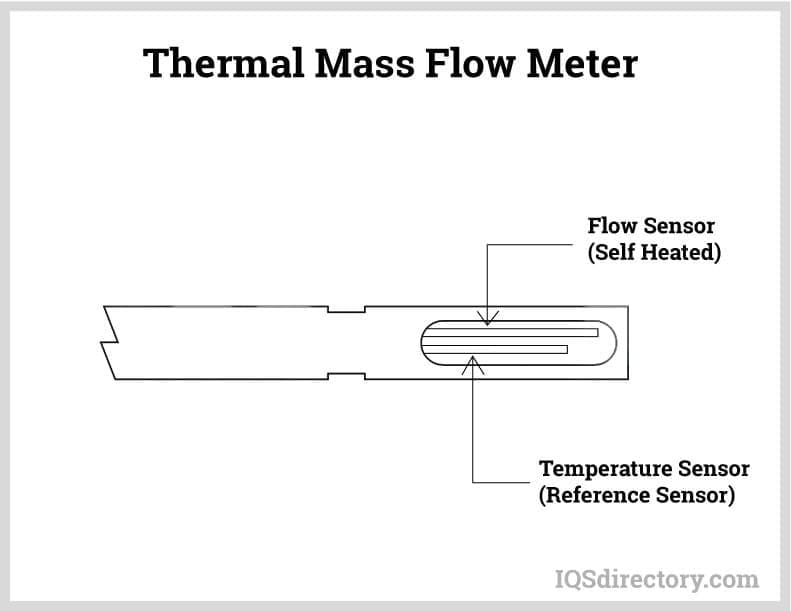
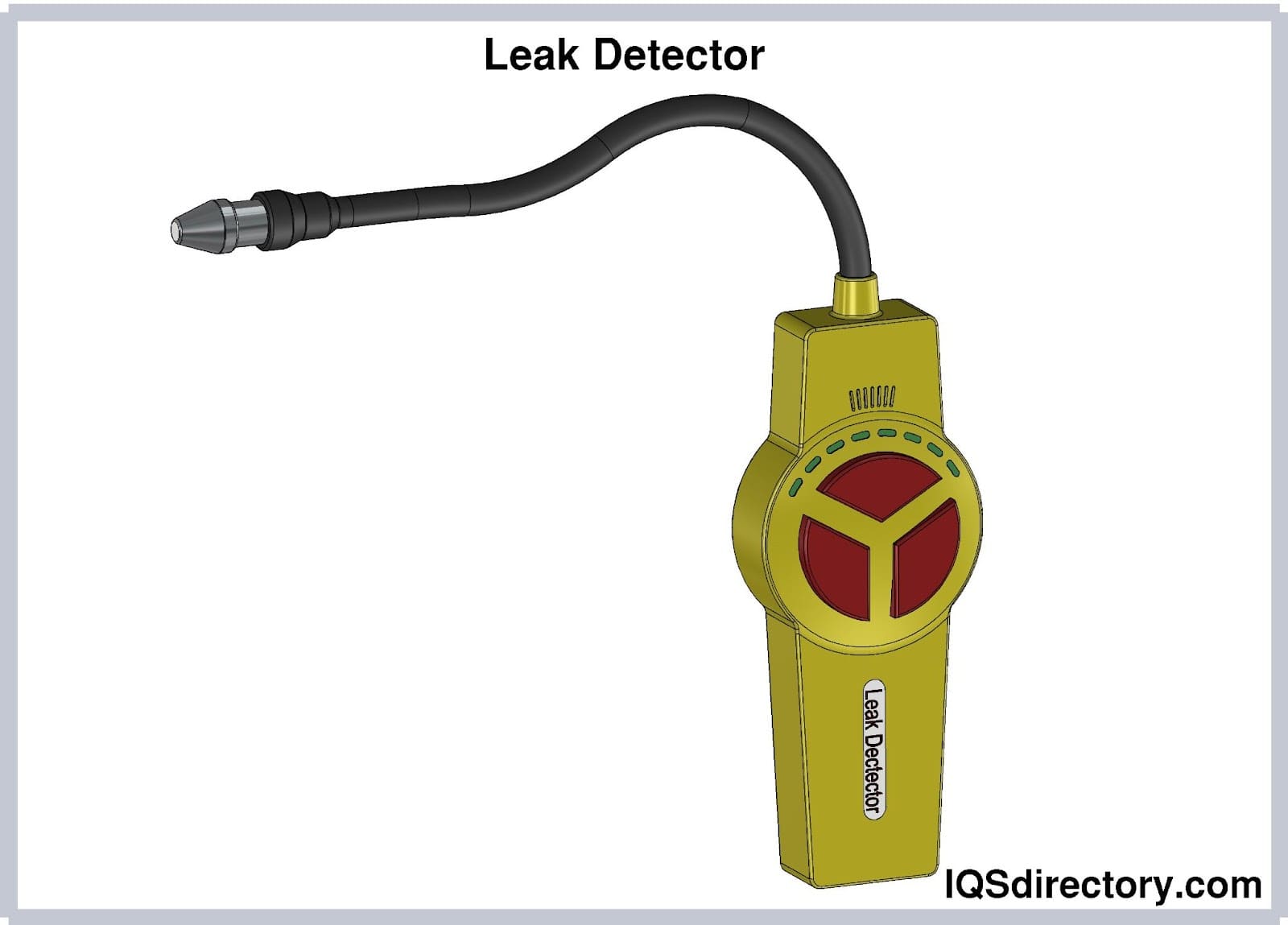
- Calorimetric flow meters: Employ thermal sensors to determine flow based on heat transfer; effective for low-flow and leak detection in gases and liquids.
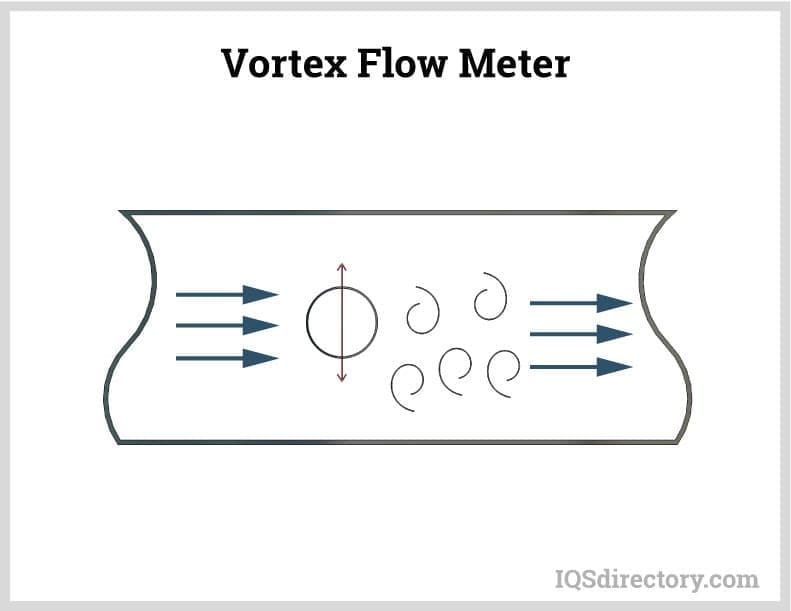
- Vortex flow meters: Detect vortices shed by a bluff body in the flow stream, offering high reliability for steam, gas, and liquid applications.
- Pitot tube flow meters: Measure fluid velocity by comparing stagnation and static pressure; often used for HVAC, ventilation, and airspeed monitoring.
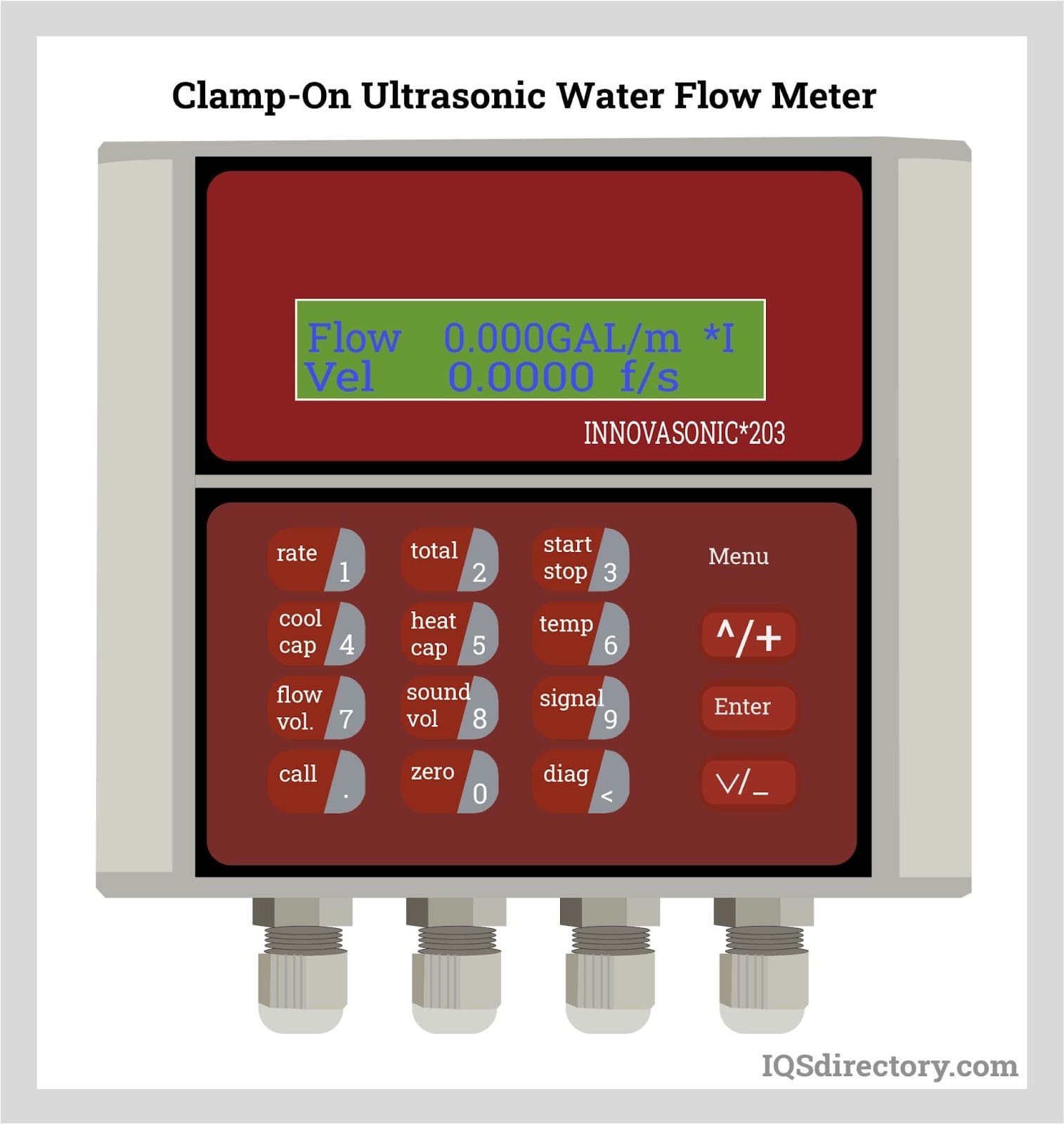
- Ultrasonic flow meters: Utilize sound waves to measure flow rate, available as clamp-on (non-invasive) or in-line solutions for liquids and certain gases.
Curious about which velocity flow meter suits your process? Compare velocity flow meter technologies for your industry and application.
Turbine Flow Meter
Turbine flow meters are a trusted choice for high-accuracy flow measurement of clean liquids such as fuels, petrochemicals, and water. The internal rotor turns in proportion to flow rate, generating a frequency output signal. Turbine meters are valued for their ±0.5% accuracy, fast response, and suitability for custody transfer and batching. They are commonly used as fuel flow meters in automotive, aerospace, and marine sectors.
Electromagnetic Flow Meter
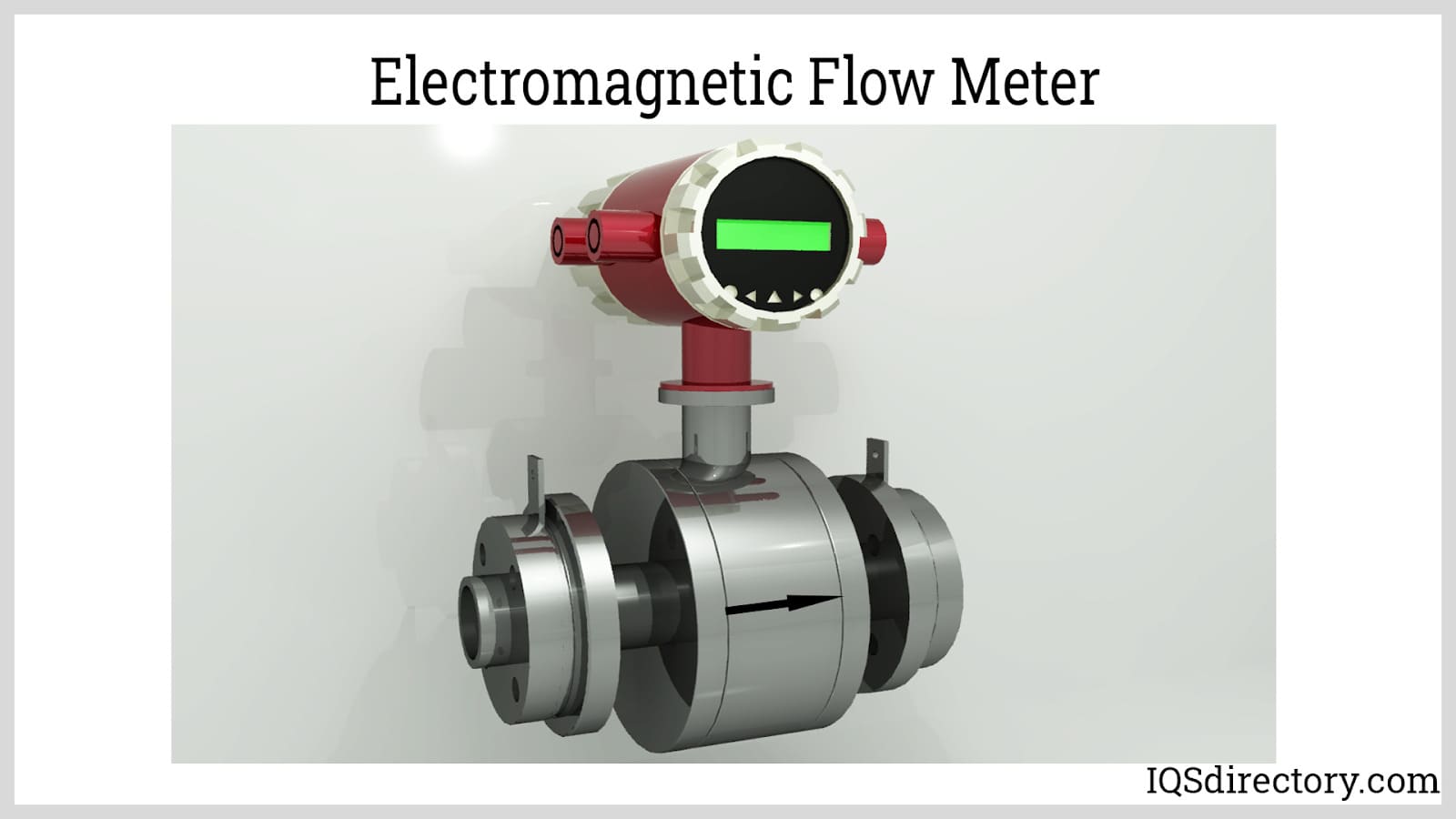
Electromagnetic (mag) flow meters are ideal for conductive fluids like water, slurries, acids, and caustics. They offer no moving parts, low pressure drop, and high accuracy in challenging environments. Typical applications include water treatment, chemical dosing, pulp & paper, and food processing. Learn more about electromagnetic flow meter applications and manufacturers.
Calorimetric Flow Meter
Calorimetric flow meters are preferred for leak detection and low-flow monitoring in gas or liquid systems. Their dual-sensor configuration provides rapid response and high sensitivity, making them suitable for compressed air, nitrogen, and cooling water circuits in industrial automation, laboratory, and cleanroom environments.
Vortex Flow Meter
Vortex flow meters are robust, versatile instruments for measuring flow rate of steam, gases, and liquids. Their design minimizes maintenance, and they are widely used in power plants, chemical manufacturing, and municipal utilities where reliability and low cost of ownership are priorities.
Pitot Tube Flow Meter
Pitot tube meters are cost-effective, simple devices often used in HVAC, ventilation, and process air systems. By measuring the pressure differential between stagnation and static points, they deliver reliable velocity readings even in large ducts or stacks.
Ultrasonic Flow Meter
Ultrasonic flow meters use advanced signal processing to provide accurate, non-intrusive measurement of flow in pipes or open channels. Clamp-on ultrasonic meters are especially popular for retrofitting existing pipelines and minimizing downtime. Applications include water distribution, energy management, and oil & gas.
Differential Pressure Flow Meters
Differential pressure (DP) flow meters are among the most widely used technologies for both liquid and gas applications, prized for their versatility and reliability in process industries. They measure flow by introducing a restriction (orifice, nozzle, or venturi) and comparing pressure before and after the restriction. Common types include:
- Orifice plate flow meters: Simple, economical, used in water, steam, and gas measurement in industrial plants.
- Flow nozzles: Cone-shaped designs suitable for higher velocity and abrasive flows.
- Venturi tubes: Minimize energy loss and fouling, popular for water and sewage metering.
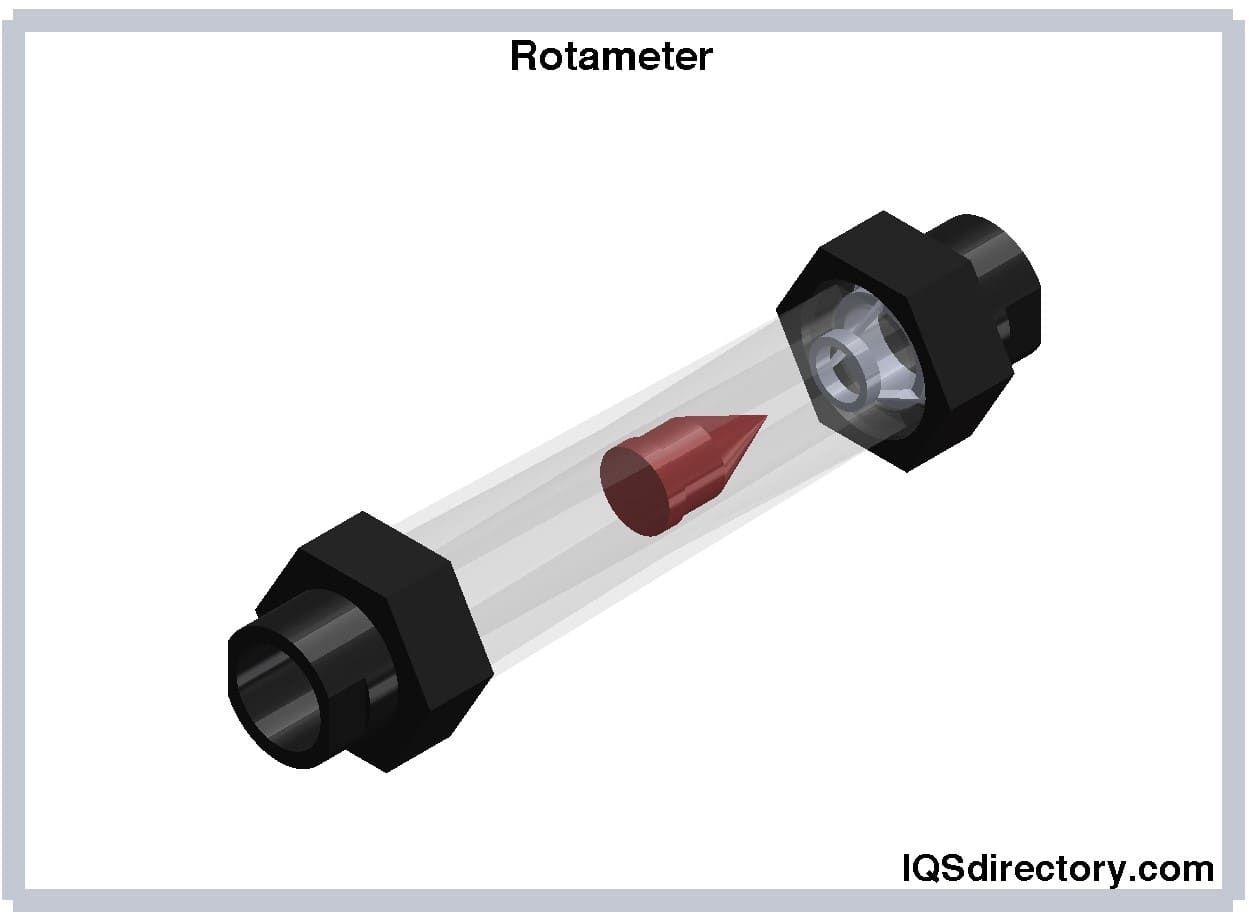
- Rotameters (variable area flow meters): Offer quick visual indication of flow, often used for laboratory and process control.
Orifice Plate Flow Meter System
Orifice plates are a low-cost, durable solution for measuring flow in pipelines. Their simple design is ideal for permanent installations in water, gas, or steam lines, but they require regular inspection for wear and blockage.
Flow Nozzle
Flow nozzles offer improved accuracy and resistance to wear compared to orifice plates, making them suitable for high-pressure steam or abrasive slurries in power generation and mining.
Venturi Tube Gauge
Venturi tubes are engineered to minimize pressure loss and allow for accurate measurement of flow in larger pipes, including municipal water supply and irrigation systems.
Rotameter
Rotameters provide a low-cost, visual method for monitoring flow in laboratory setups, chemical dosing, and small-scale process lines. Their transparent tube and floating indicator allow for quick, at-a-glance flow readings.
Positive Displacement Flow Meter
Positive displacement (PD) flow meters are the preferred solution for measuring viscous or low-flow liquids with high accuracy, such as oils, syrups, or adhesives. By directly capturing discrete volumes of fluid, PD meters deliver exceptional repeatability and are immune to changes in temperature, viscosity, or density. Common PD meter types include:
- Gear meters
- Piston meters
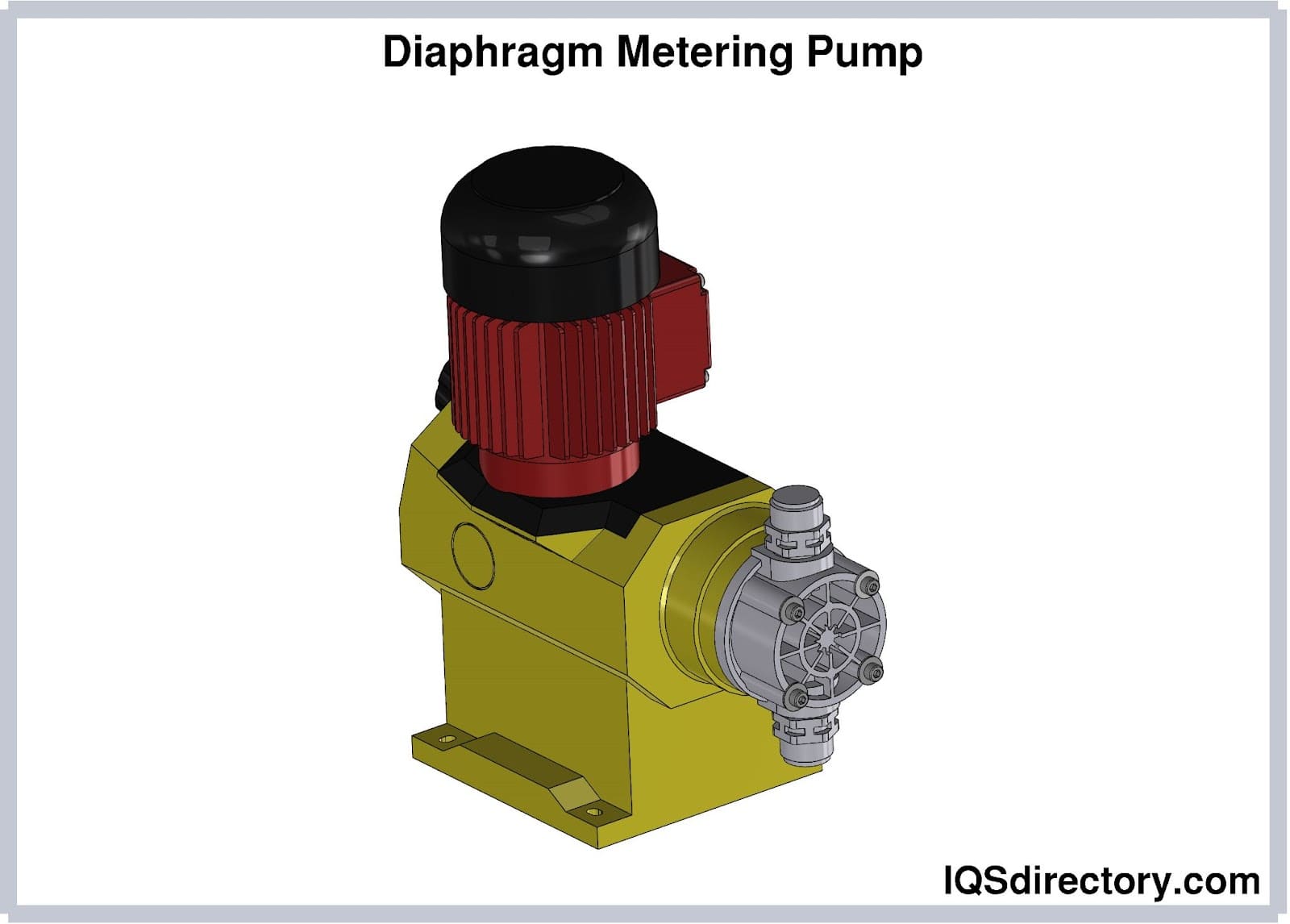
- Diaphragm meters
- Vane meters
PD meters are often used in fuel dispensing, chemical batching, and oil lubrication systems where precise metering is essential.
Mass Flow Meter
Mass flow meters, or true mass flow meters, provide direct measurement of mass flow—critical for chemical reactions, combustion processes, and custody transfer where density may vary. The two most common types are:
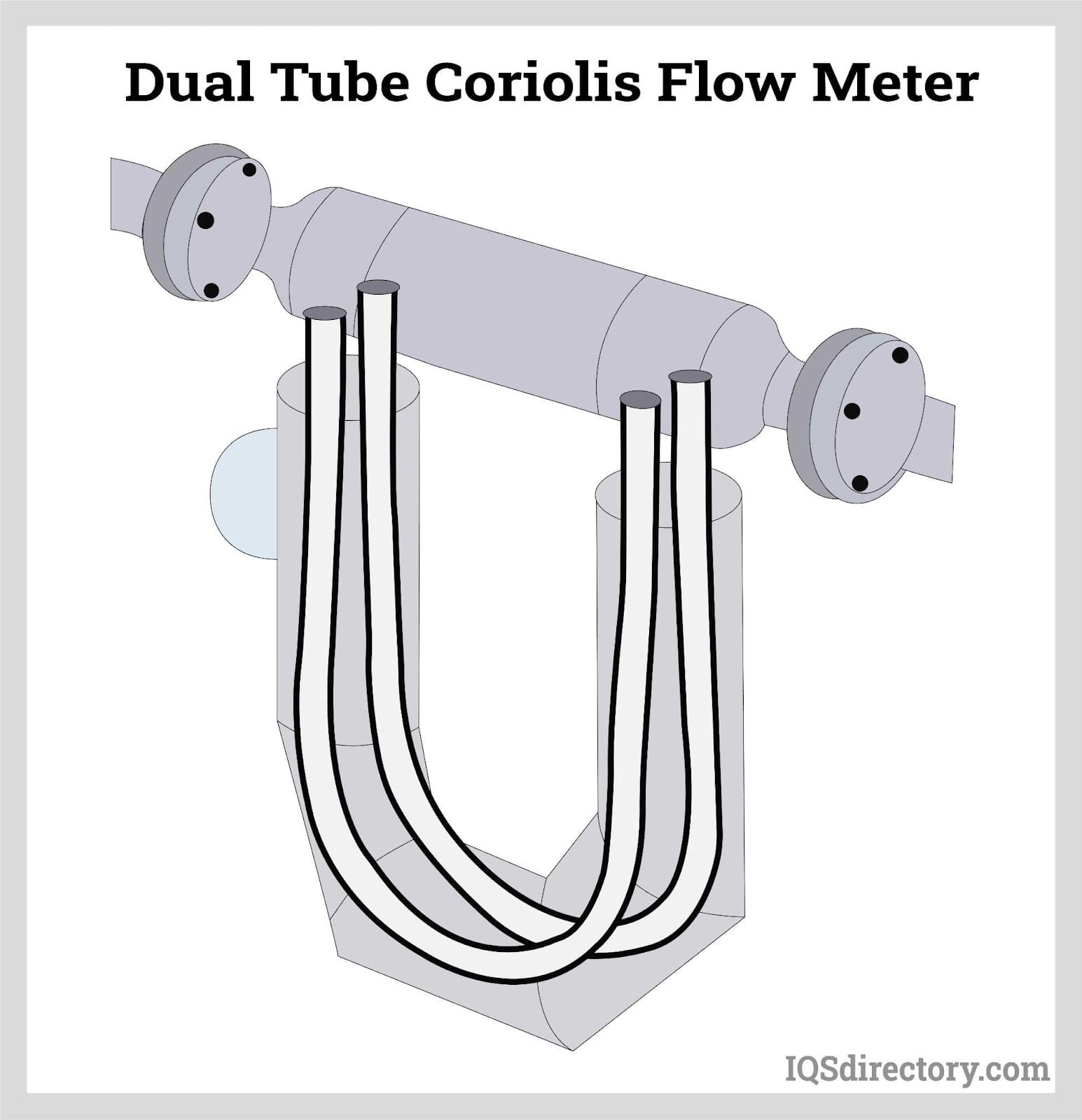
- Coriolis flow meters: Directly measure mass flow and density using the Coriolis effect, offering unmatched accuracy and multi-parameter outputs (flow, density, temperature). Ideal for chemical, food, pharmaceutical, and oil & gas applications.
- Thermal mass flow meters: Rely on heat transfer principles to measure gas flow, widely used in environmental monitoring, combustion control, and leak detection.
Want to know which mass flow meter is best for your process? Explore Coriolis vs. thermal mass flow meter advantages for your application.
Mass Gas Flow Meter
Also known as Coriolis flow meters, these instruments are the gold standard for direct mass flow measurement of liquids and gases, offering high precision for applications such as blending, dosing, and quality control. They are especially valuable in industries where fluid density or composition changes frequently.
Thermal Mass Flow Meter
Thermal mass flow meters are ideal for measuring low flow rates of clean gases, including air, nitrogen, and natural gas, in HVAC, environmental, and process industries. Their simple installation and low maintenance needs make them popular for facility management and energy monitoring.
Open Channel Flow Meter
Open channel flow meters are used when liquid flow is not enclosed but exposed to air, such as in flumes, weirs, or irrigation canals. These meters typically measure flow based on liquid level (height), and are commonly used in water treatment plants, stormwater monitoring, and agricultural irrigation.
Other specialized flow meter technologies include:
- Spring and piston flow meters: Versatile, cost-effective options for water and oil measurement.
- Flow switches: Provide on/off control or alarms based on preset flow thresholds.
- Digital flow meters: Feature clear digital displays for easy data recording and integration with automation systems.
- Multiphase flow meters: Measure mixtures of oil, water, and gas in oil & gas production.
- Peak flow meters: Used in healthcare to assess lung function by measuring exhaled airflow.
Spring and Piston Flow Meter
Spring and piston flow meters offer straightforward, affordable measurement for water, oil, and certain chemicals, with the added benefit of electrical signal output and easy integration into automated systems.
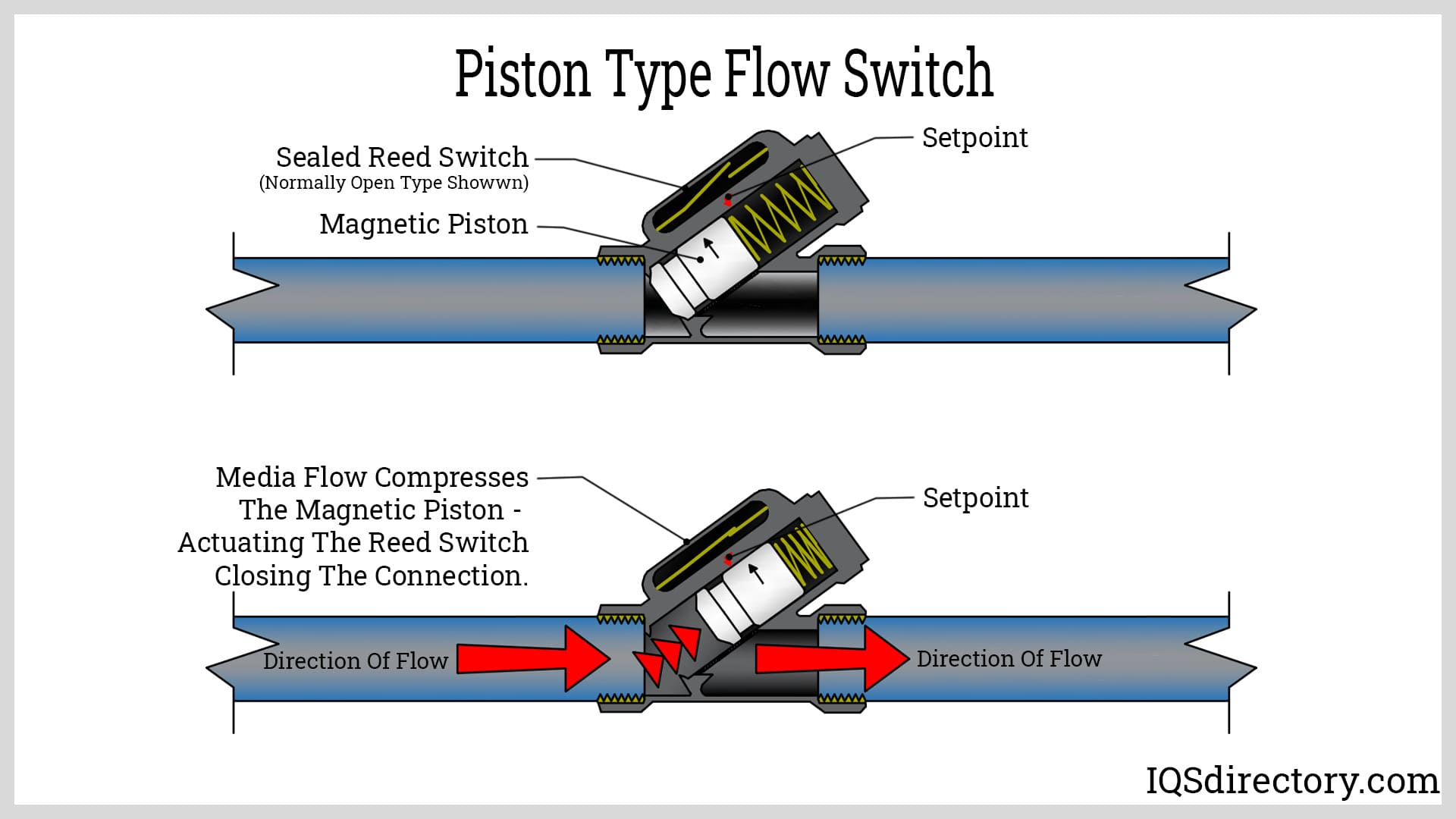
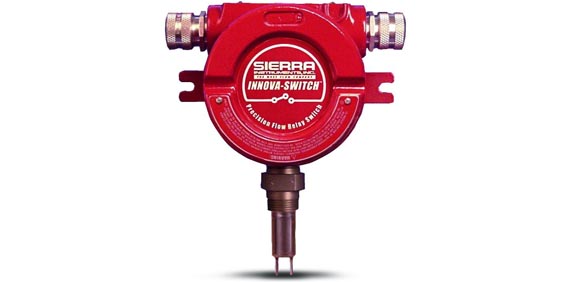
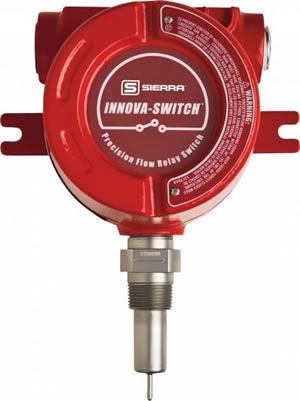
Flow Switch
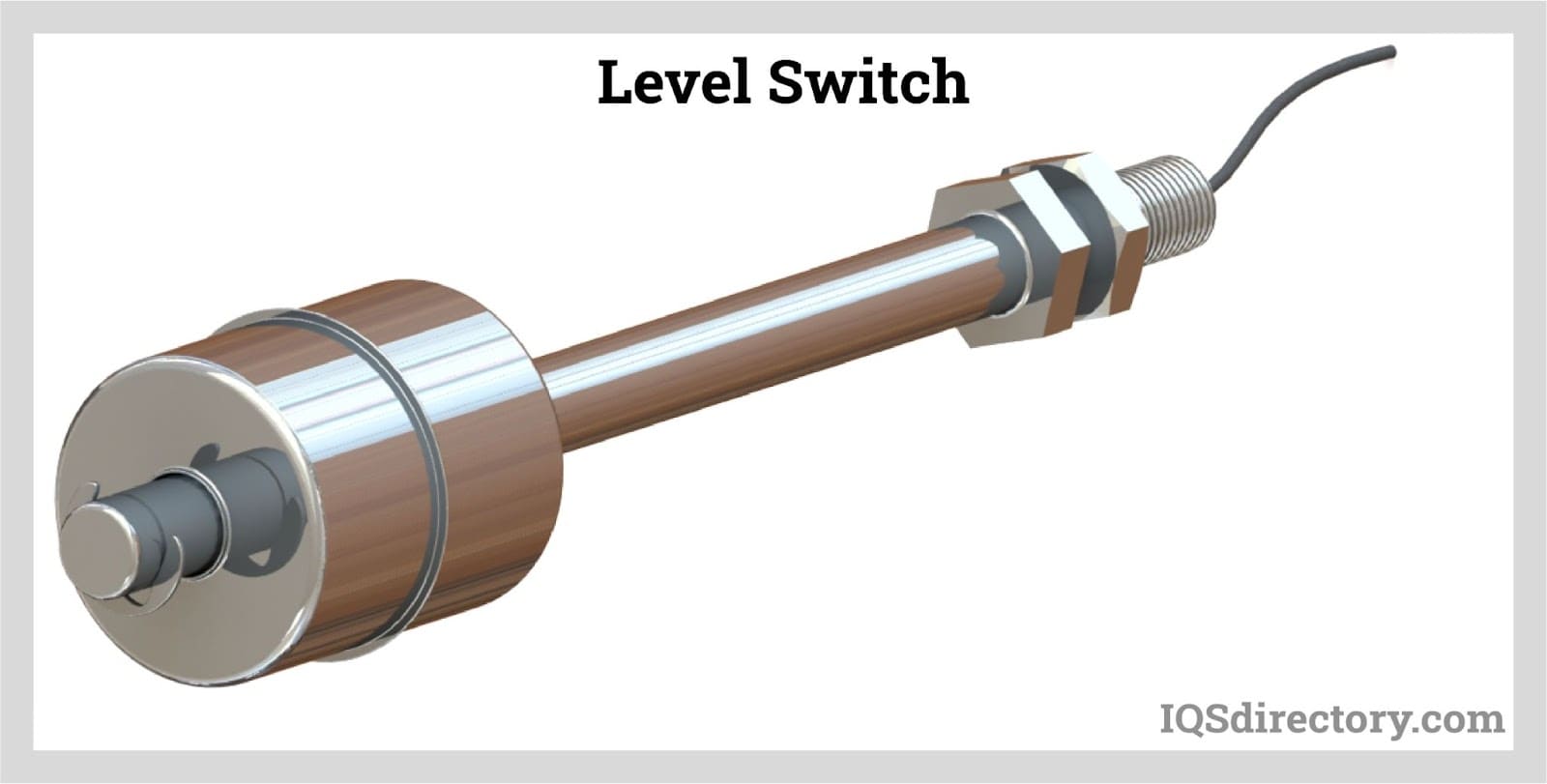
Flow switches are essential for system protection and process control, automatically activating alarms, pumps, or valves when flow drops below or exceeds preset limits.
Digital Flow Meter
Digital flow meters provide instant, accurate readings of flow rate, totalized volume, and diagnostic information. Their compatibility with industrial automation and SCADA systems makes them ideal for modern process plants.
Multiphase Flow Meter
Multiphase flow meters are engineered for oilfield environments, where they continuously monitor mixed flows of oil, gas, and water for production optimization and reservoir management.
Peak Flow Meter
Peak flow meters are medical devices for respiratory assessment, aiding in the diagnosis and monitoring of asthma and other pulmonary conditions.
Advantages of Flow Meters
Flow meters offer substantial benefits for industrial and commercial operations, including:
- Process optimization: Enhance efficiency by providing real-time flow data for automated control
- Cost savings: Reduce waste and prevent costly over- or under-dosing of materials
- Compliance: Meet regulatory requirements with certified, traceable measurement
- Safety: Detect leaks or abnormal flow conditions to protect personnel and equipment
- Low maintenance: Modern designs with few or no moving parts minimize downtime
- Data integration: Seamless connectivity with PLCs, SCADA, and IoT systems for remote monitoring
Want to discover how a flow meter can improve your process? Contact a flow meter expert for application-specific advice and ROI analysis.
Accessories
Enhance your flow meter system with a range of compatible accessories, including:
- Remote assembly kits for flexible installation
- Mass flow controllers for automated dosing
- Sensor kits for multi-parameter measurement
- Flow tubes and valve cartridges for system integration
- Cables and adaptors for digital communication
- Mounting kits and frames for structural support
- Rechargeable batteries for portable flow meters
- Signal output modules for analog or digital integration
Need specific accessories? Request accessory recommendations to maximize your flow meter’s capabilities.
Installation
Proper installation is critical for accurate and reliable flow meter operation. Key guidelines include:
- Avoid locations subject to excessive vibration or magnetic fields, which can interfere with sensor readings
- Position flow meters in straight sections of pipe where possible to ensure laminar flow and minimize measurement error
- Follow manufacturer recommendations for upstream and downstream straight pipe requirements
- Orient meters to prevent air or gas bubbles in liquid flow meters, or liquid slugs in gas meters
- Consider accessibility for maintenance and calibration
Have installation questions? Access step-by-step flow meter installation guides or request on-site commissioning from certified technicians.
Proper Care for Flow Meters
Routine care and maintenance are essential for consistent flow meter performance. General tips include:
- Ensure liquid flow meters remain fully filled with liquid; gas meters must stay free of liquid contamination
- Periodically inspect for buildup, fouling, or wear, especially in harsh or particulate-laden fluids
- Calibrate meters as required by process criticality, manufacturer instructions, or regulatory standards
- Replace consumable components (such as seals or batteries) as recommended
Looking for maintenance tips for your specific flow meter type? Download manufacturer care and calibration guidelines for optimal performance.
Standards
Compliance with industry standards is essential for flow meter selection and use, especially in regulated sectors. In the United States, flow meters should be certified by organizations such as:
- OSHA (Occupational Safety and Health Administration): For workplace safety
- NIST (National Institute of Standards and Technology): For calibration traceability
- API (American Petroleum Institute): For oil and gas industry standards
- ANSI, ASME, ASTM, ISA, AGA, GPA, GRI, GTI: For technical, safety, and performance standards
- ISO (International Organization for Standardization): For global compliance
In the UK and Europe, look for Institute of Petroleum (IP) and ISO certifications. Always verify that your flow meter meets the necessary standards for your industry and jurisdiction.
Need a certified flow meter for your process? Request compliance documentation from your supplier or manufacturer.
How to Find the Right Manufacturer
With the variety of flow meter types, technologies, and application requirements on the market, selecting the ideal manufacturer is critical. Consider these steps:
- Evaluate manufacturers based on industry expertise, technical support, and track record in your application sector
- Assess the range of flow meter technologies and customization options offered
- Review product certifications, warranties, and after-sales support
- Request sample data, performance specifications, and references from similar applications
- Compare pricing, lead times, and value-added services such as calibration or installation
To simplify your search, we provide a curated list of flow meter manufacturers and suppliers with proven experience and technical depth. Browse manufacturer profiles to compare offerings, then contact three to four suppliers to discuss your needs. The right partner will provide not only competitive pricing, but also responsive support and a commitment to your success.
Ready to take the next step? Request a quote or consultation to begin your flow meter selection process today.
Looking for related process automation components? Check out our Solenoid Valves website for valve solutions and our Linear Actuators website for motion control products that complement your flow measurement system.
What are common applications of flow meters in industry?
Flow meters are used across major industries to measure and monitor the flow rate of liquids and gases. Key applications include water flow monitoring in municipal and industrial systems, fuel flow measurement in automotive and aerospace sectors, natural gas metering for utilities, steam measurement in power plants, and sanitary metering for food, beverage, and pharmaceutical production. They are also essential in chemical manufacturing, environmental monitoring, and HVAC systems.
How do you choose the right type of flow meter?
Choosing the right flow meter depends on fluid type (liquid, gas, steam), flow rate range, pipe or channel size, process conditions like pressure and temperature, cleanliness requirements, and desired accuracy. Additional factors include chemical compatibility and integration needs for process automation. Consulting with a flow meter specialist helps ensure selection of the most suitable technology and materials for your application.
What are the main types of flow meters available?
Flow meters are categorized by measurement principle and media type. Main types include velocity flow meters (such as turbine, electromagnetic, ultrasonic, and vortex), differential pressure meters (like orifice plates, venturi tubes, and rotameters), positive displacement meters (gear, piston, diaphragm), mass flow meters (Coriolis, thermal), open channel flow meters, and specialized variants such as digital, multiphase, and peak flow meters for medical use.
What materials are commonly used to construct flow meters?
Flow meters are constructed from materials chosen for durability and compatibility with the measured fluid. Common options include PVC for water and non-corrosive liquids, nylon for chemical-resistance, brass for potable water, stainless steel for sanitary and corrosive environments, aluminum for gas measurement, and PVDF for highly corrosive chemicals.
What are the key installation considerations for flow meters?
Proper installation involves locating flow meters away from excessive vibration or magnetic fields, positioning them in straight pipe runs to ensure laminar flow, and following manufacturer requirements for upstream/downstream pipe lengths. It’s also important to orient meters to avoid air or fluid traps, and to ensure accessibility for maintenance and calibration.
How should flow meters be maintained for optimal performance?
Routine maintenance includes keeping liquid meters fully filled and gas meters free of liquid, inspecting for build-up or wear, calibrating as specified by the manufacturer or regulatory standards, and replacing consumable parts like seals or batteries. Regular care ensures accuracy and extends the service life of the instrument.
What industry standards and certifications should flow meters comply with?
Flow meters should comply with standards relevant to the application and region. In the US, certifications from OSHA, NIST, API, ANSI, ASME, ASTM, ISA, and ISO may be required. In the UK and Europe, Institute of Petroleum and ISO certificates are typical. Compliance ensures safety, accuracy, and regulatory approval for industrial use.
How do you select the best flow meter manufacturer?
Selecting a manufacturer involves evaluating their technical expertise, support services, product certifications, and track record in your industry sector. Important criteria include the range of available technologies, customization options, after-sales support, and compliance documentation. Comparing several reputable suppliers and requesting references and sample data can help ensure you choose a reliable partner.
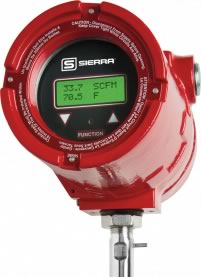 Flow Gauges
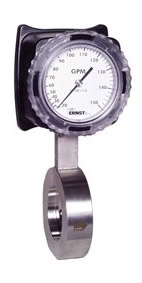
 Flow Indicators
 Flow Meters
 Flow Switches
 Castings & Forgings
 Bulk Material Handling
 Electrical & Electronic Components
 Flow Instrumentation
 Hardware
 Material Handling Equipment
 Metal Cutting Services
 Metal Forming Services
 Metal Suppliers
 Motion Control Products
 Plant & Facility Equipment
 Plant & Facility Supplies
 Plastic Molding Processes
 Pumps & Valves
 Recycling Equipment
 Rubber Products & Services