A volumetric flow meter with no portable components is called a magnetic flow meter. It is ideal for usage in wastewater treatment. It is generally used for liquids that are conductive or dirty. Read More…
Sierra manufacturers high performance mass flow meters and controllers for nearly any gas, liquid or steam. Customers choose Sierra when they need an accurate and repeatable flow measurement, short delivery lead times, expert flow advice and long term support. When it matters, choose Sierra. Visit www.sierrainstruments.com.
Aalborg Instruments & Controls is a globally recognized manufacturer of precision instrumentation for flow measurement and control. We offer variable area flow meters, thermal mass flow controllers, and more. Since our founding in 1972, it has been our commitment to develop, produce and deliver the highest quality products and services, as well as consistently meet or exceed customer...
Ryan Herco Flow Solutions is a leading national distributor for fluid handling products. Our family of products include; Flowmeters, sensors, instrumentation tubing and hose, process pipe and fittings, valves, pumps, filters and filter systems, storage and drums, and corrosion resistant structural products. We have 29 U.S. Service Centers ready to serve you.

Our flow meters are meticulously designed with you in mind. Our products have an unrivaled reputation, because we spend hundreds of engineering hours working on new and better ways to improve our products. No matter what you need, we can get if for you! Our staff is dedicated to helping you every step of the way. Contact us today for more info!
We are ONICON Incorporated, a leading manufacturer of flow meters and energy measurement systems. Our products and solutions are used in a wide range of applications, including HVAC, building automation, and industrial processes.




More Magnetic Flow Meter Manufacturers
What are Magnetic Flow Meters?
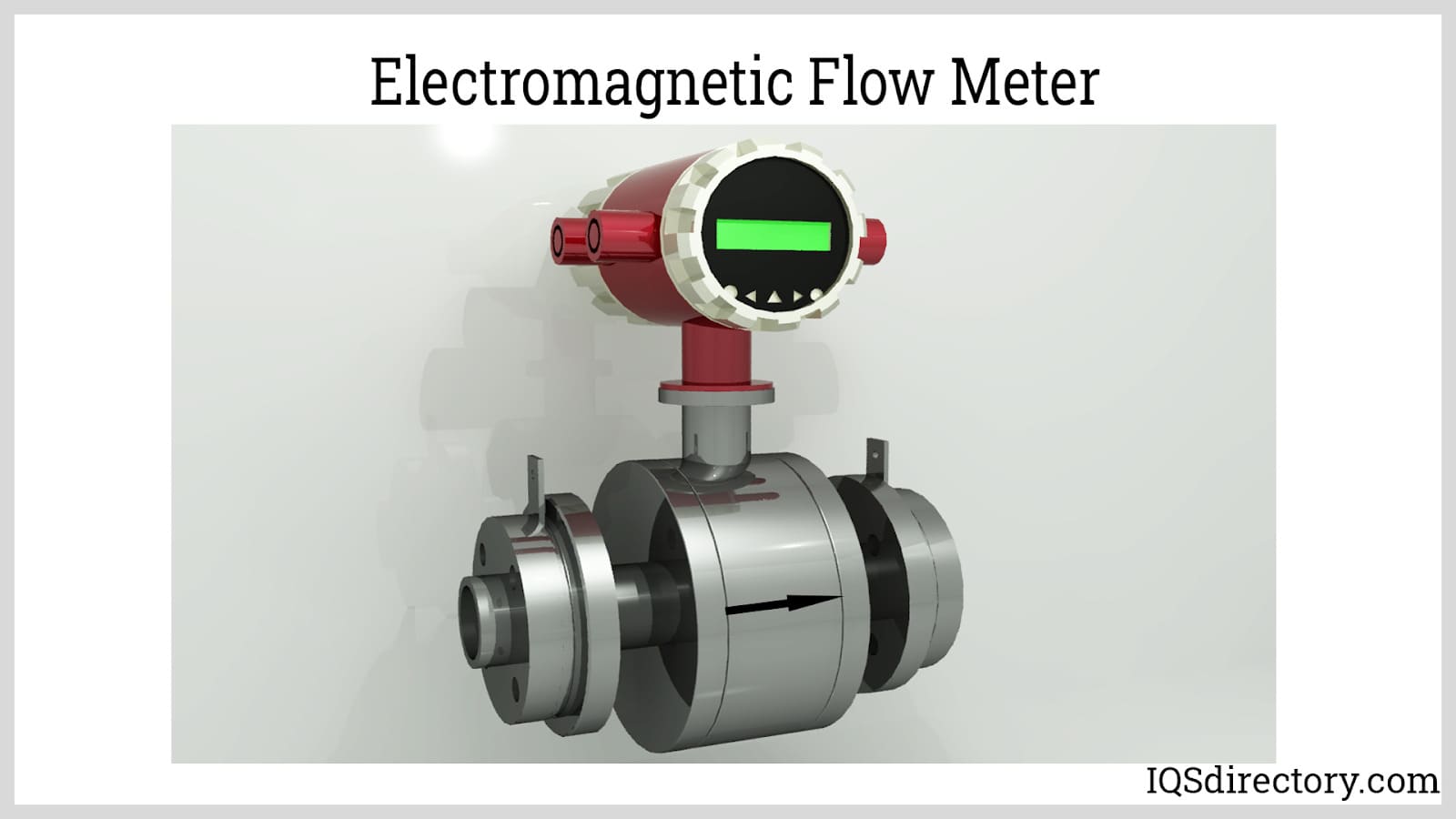
A volumetric flow meter with no portable components is called a magnetic flow meter. It is ideal for usage in wastewater treatment. It is generally used for liquids that are conductive or dirty.
As mentioned, magnetic flow meters work best with dirty liquids. That is why these are not ideal to use with hydrocarbons or distilled water. These are extensively used in industry because they are easy to use. These are efficient and inexpensive to use for contaminated agricultural residues. These also produce very accurate results.
Magnetic flow meters are alternatively known as mag meters too.
How Magnetic Flow Meters Work
Magnetic flow meters calculate the velocity of the flowing liquid in a pipe using Faraday’s Law of Electromagnetic Induction. According to Faraday’s Law wires travel in a magnetic field to generate charge. Similarly in magnetic flow meters liquid flows through a magnetic field generated by the meter. Since this liquid is conductive it will generate a voltage signal while passing through that magnetic field. This process is shown in Figure 1.

The electrodes detect the voltage signal. The intensity and amount of voltage signal produced are directly proportional to the fluid velocity flowing through the pipe as specified by Faraday’s Law. Liquid flow is then calculated by processing the detected voltage signal. This is done by a transmitter as shown in figure 2.

Types of Magnetic Flow Meters
There are three main types of magnetic flow meters. Each of those is briefly introduced below:
-
Insertion Magnetic Flow Meter
Magnetic flow meters of this type can be used in a wide range of pipe sizes. These meters usually work best when installed upstream of the pipeline. It can handle a wide range of corrosive liquids.

-
In-Line Magnetic Flow Meter
These flow meters produce the best results when higher flow rates must be accurately measured. There is very little to no margin for mistakes like in water treatment or food/pulp processing.

-
Low-Flow Magnetic Meters
It is best suited for applications requiring a low flow of liquid. It requires almost no maintenance compared to other magnetic flow meters because it is less affected by mechanical debris.

Usage of Magnetic Flow Meters
Among all the flow meters on the market, 24% alone are magnetic flow meters. This shows its high utility and application across multiple industries. Application of magnetic flow meters can be found in
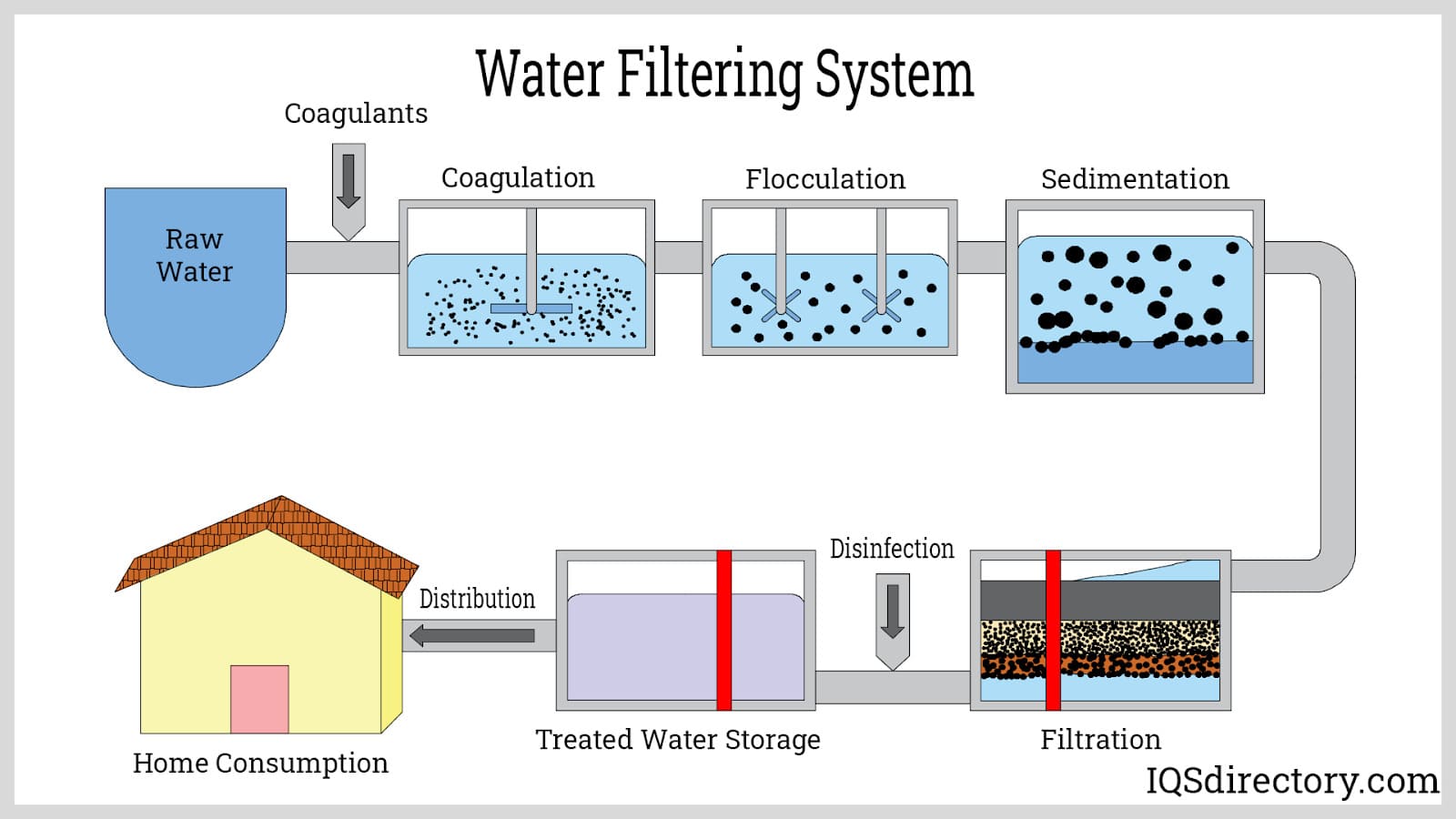
- Water/Wastewater industry- both treated and untreated water like in figure 3
- Mining and Mineral processing- water/slurry produced during the process and media flows
- Power Sector
- Pulp and paper industries
- Chemical industries- corrosive and abrasive chemical solutions
- Construction Industry- highly corrosive sludge like acid and caustic soda
Merits of Magnetic Flow Meters
The merits of Magnetic flow meters top any other flow meters. It is generally very easy to use and cost effective and can handle extremely abrasive liquids.
- It uses very little power to operate. Some mag meters can operate on power as low as 15 watts.
- Their erosion resistance can be enhanced as per requirement by using simple abrasion resistant liners.
- Smaller electrodes do the job; hence, fewer electrode metals are generally required.
- These can measure liquid flow rates ranging from 0.125” to even 10’ cubic.
- Magnetic flow meters are very efficient because they can measure multidirectional flow.
- Since these have no moving parts, the risk of damage and frequent repairs is minimized.
Precautions for Magnetic Flow Meters
Magnetic flow meters are usually simple and safe to use. But here are some of the precautions one must keep in mind while using these to bring accurate results:
- Ensure that the liquid/ sludge used is conductive. Otherwise, it won’t generate a voltage signal.
- Magnetic flow meter should be installed in a manner that it is always filled with liquid, or else it will affect the flow measurements.
- High temperatures even for a shorter period can render a magnetic flow meter flawed.
- While using mag meters in a vacuum, make sure the liner doesn’t collapse.
- Using an electromagnetic flow meter near its conductivity limit can cause the flow meter to collapse and stop functioning.
 Flow Gauges
 Flow Indicators
 Flow Meters
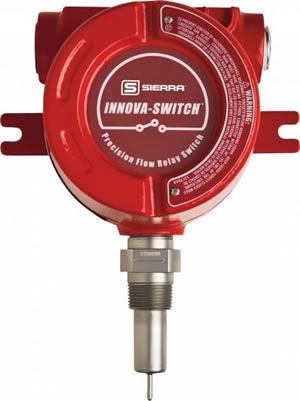 Flow Switches
 Castings & Forgings
 Bulk Material Handling
 Electrical & Electronic Components
 Flow Instrumentation
 Hardware
 Material Handling Equipment
 Metal Cutting Services
 Metal Forming Services
 Metal Suppliers
 Motion Control Products
 Plant & Facility Equipment
 Plant & Facility Supplies
 Plastic Molding Processes
 Pumps & Valves
 Recycling Equipment
 Rubber Products & Services